Functional Training

Strength & Conditioning
Strength and conditioning are the foundations of athletic performance, focused on developing the physical qualities that allow athletes to move better, produce more force, and stay resilient under the demands of sport and activities of life. It goes far beyond lifting weights—integrating strength training, speed and agility work, mobility, energy system development, and recovery strategies into a structured, progressive plan. A well-designed program builds power, coordination, balance, and durability, ensuring athletes are not only strong, but capable of applying that strength efficiently in real-world competition and life.
At its core, strength and conditioning is about long-term athletic development and injury reduction. By addressing movement quality, muscular imbalances, and workload management, athletes can train consistently and perform at a higher level with less risk of breakdown. Whether working with developing competitors wanting to excel in their chosen sport or someone who wants to perform well in their daily activities, a tailored approach ensures each individual improves in the areas that matter most —creating stronger, faster, and more resilient athletes.
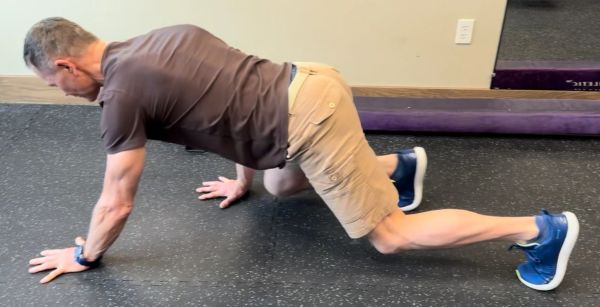
Movement & Mobility
Movement and mobility are foundational to how well the body performs, adapts, and stays resilient under physical demand. Movement refers to the ability to produce coordinated, efficient actions—such as squatting, running, or changing direction—through proper sequencing of joints and muscles, while mobility is the capacity of those joints to move freely through their full range of motion with control. Together, they influence everything from strength and power output to injury risk and recovery. When mobility is limited, movement compensations often occur, leading to inefficiency and increased stress on tissues; conversely, well-developed mobility supports cleaner movement patterns, better force production, and long-term athletic durability. Simply stated, skip the base, and you will create limitations in overall performance and increase the likelihood for problems and injuries to show up later.

Balance & Stability
These are often treated as “extras” in training - but for athletes, they are actually non-negotiables. Balance and stability are interconnected systems that allow the body to move efficiently and safely. Balance is the ability to maintain control of your center of mass over your base of support, relying on coordination between the visual, vestibular (inner ear), and proprioceptive systems. Stability is the capacity to control movement and resist unwanted motion, particularly around joints, through muscular strength and neuromuscular control. Together, these elements form the foundation for athletic performance, injury prevention, and everyday movement quality, enabling the body to react, adapt, and remain controlled under dynamic conditions.

Stretching & Flexibility
Stretching and flexibility are essential components of athletic performance and overall movement quality, referring to the ability of muscles and joints to move through their full range of motion efficiently and without restriction. Regular stretching helps improve tissue elasticity, reduce injury risk, enhance recovery, and support better posture and coordination. Key approaches within this are Myofascial Stretching and Global Postural Stretching, which targets not only individual muscles but integrates the entire fascial system—the interconnected web of connective tissue that surrounds and links muscles throughout the body. By addressing these fascial lines rather than isolated areas, both Myofascial Stretching and Global Postural Stretching promotes increased global mobility, improves force transfer across movement patterns, reduces compensations, and enhances overall body awareness and efficiency, making it especially valuable for all athletes.
Specialized Interventions
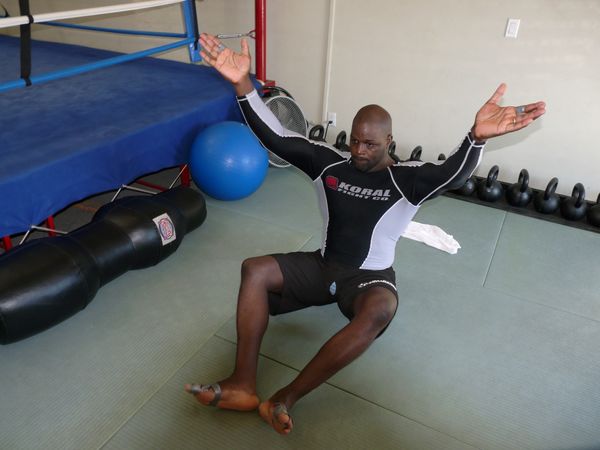
Back Health & Spinal Decompression Exercises (Introducing ELDOA)
Spinal health exercises and decompression work are designed to restore space, alignment, and function throughout the spine by reducing excessive compression forces from daily posture, training, and gravity. One of the most precise systems for this is ELDOA, developed by world-reknown Osteopathic Doctor, the late Dr. Guy Voyer, uses targeted postural positions to actively create tension through the fascial chains and “decoapt” (separate) specific spinal segments. By holding these positions with intentional muscular engagement and breathing, ELDOA aims to improve joint space, enhance circulation to discs, reduce nerve compression, and promote better proprioceptive and postural awareness of spinal alignment. When combined with general decompression strategies—such as hanging, traction-based movements, and controlled mobility work—these exercises can help alleviate chronic stiffness, improve posture, and support long-term spinal resilience for all athletes.
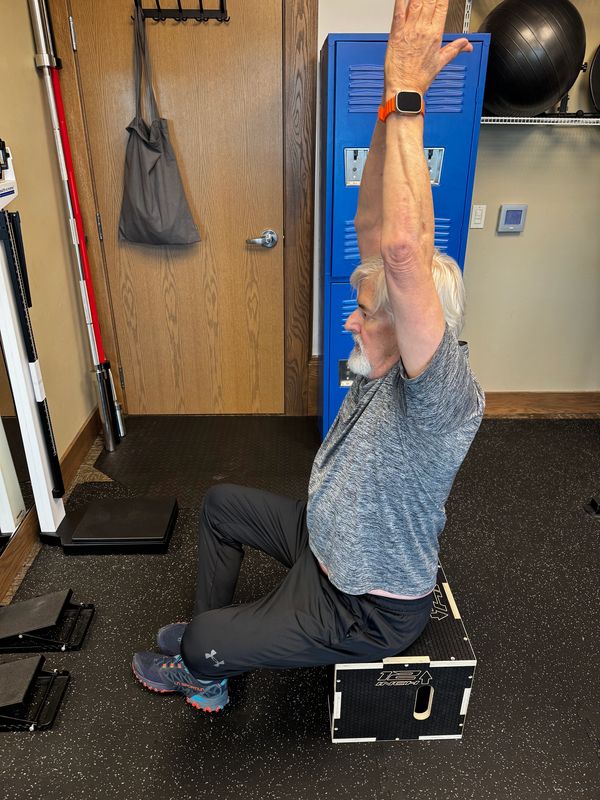
Postural & Structural Alignment
Postural and structural dysfunction develops when habitual movement patterns, injury history, and lifestyle demands gradually pull the body out of efficient alignment, placing uneven stress on joints, connective tissue, and the spine. Rather than “correcting” posture in a rigid sense, a more effective approach is restoring postural and structural balance through targeted, progressive methods—most notably ELDOA, which uses precise positioning and fascial tensioning to decompress specific spinal segments, improve joint space, and reestablish neuromuscular control and postural awareness.
This is complemented by individualized strengthening exercises and mobility work that reinforces proper alignment across the entire kinetic chain, ensuring the body can support and maintain these changes under load. Central to this process is optimizing breathing mechanics—particularly diaphragmatic function—which influences core stability, intra-abdominal pressure, and overall posture; when breathing is restored to an efficient, coordinated pattern, it enhances both structural integrity and performance while reducing compensatory strain.

Ligament/Global Proprioception
Proprioception is your body’s internal awareness of joint position and movement, driven by sensory receptors in muscles, tendons, and joints (ligaments) that constantly send feedback to the brain.
Ligament proprioception refers to the sensory feedback provided by mechanoreceptors embedded within ligaments, which detect joint position, tension, and movement to help the body maintain stability and coordination. When a ligament is injured or undertrained, this feedback system becomes less effective, increasing the risk of instability and re-injury. Strengthening ligament function isn’t about directly “building” the ligament like muscle, but rather enhancing the surrounding neuromuscular control through targeted exercises such as balance training, controlled instability work, and slow, deliberate strength movements. Techniques like single-leg stance variations, perturbation training, and progressive loading help retrain the nervous system to respond more efficiently, ultimately improving joint integrity, movement precision, and resilience under dynamic conditions.
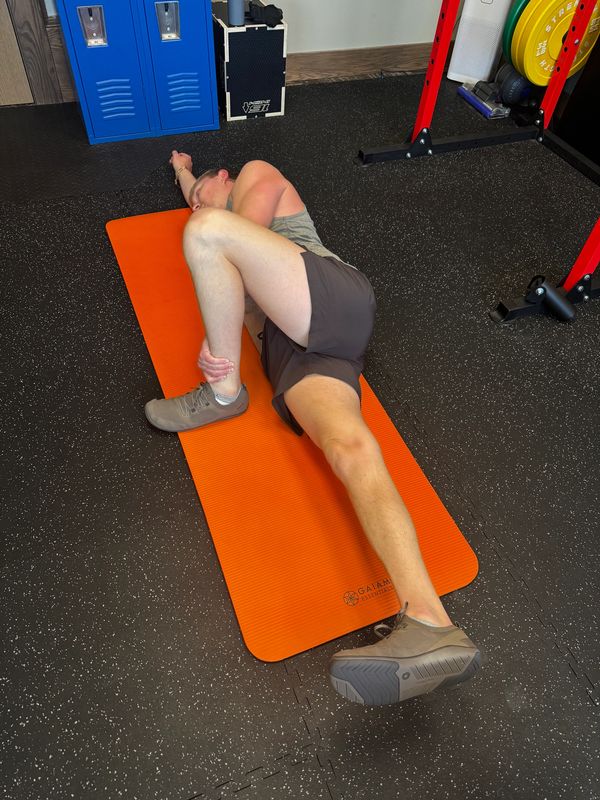
Joint Reinforcement
Joint reinforcement focuses on strengthening the muscles that cross and stabilize a joint, improving both structural support and neuromuscular control. Rather than isolating a single muscle, this approach emphasizes coordinated activation of agonists, antagonists, and stabilizers to enhance joint integrity under load and during dynamic movement. By progressively loading these muscle groups through controlled, multi-planar exercises, the body adapts by increasing strength, tendon resilience, and proprioceptive awareness, all of which reduce injury risk. This type of training is especially valuable for commonly stressed areas like the knees, shoulders, and hips, where balanced muscular support ensures proper alignment, efficient force transfer, and long-term joint health.
Rehabilitation (Pre- & Post-)
Pre- and post-rehabilitation in sports form a continuum that both protects athletes from injury and ensures a safe, effective return to performance. Pre-rehabilitation (“prehab”) focuses on identifying movement inefficiencies, muscular imbalances, and joint instability before injury occurs, using targeted strength work, mobility training, and proprioceptive exercises to build resilience and reduce risk. Post-rehabilitation, on the other hand, begins after injury or surgery and progresses from restoring basic function—such as range of motion and tissue healing—to rebuilding strength, coordination, and sport-specific capacity. The key is a gradual, criteria-based progression that bridges clinical rehab with performance training, ensuring the athlete not only returns to play but does so with improved mechanics, reduced reinjury risk, and greater overall durability.
Note: Injury Prevention & Recovery
There’s a simple truth in sports: the most valuable athlete is the one who can actually train and compete! Injury prevention and recovery are “performance multipliers”. The best athletes aren’t the ones who can train the hardest for a week- they are the ones who can train consistently, stay available, and improve over months and years. Without proper prevention and recovery an athlete exposes him or herself to higher injury rates, chronic pain issues, burnout (mental and physical), inconsistent performance, and a shortened athletic career. The formula for a successful and long career is as follows: train hard plus recover well plus stay consistent equals elite personal performance.
Being a lifetime competitive athlete I understand how agonizing it is when you are unable to compete because of sustaining an injury, or worse yet keep reinjuring yourself. Central Oregon Sports Academy’s programs prioritizes this particular component of an individual’s training program to reduce the risk of future injury and the downtime of rehabilitation and recovery.
Respiratory Mechanics Restoration
Appropriate breathing techniques are foundational to performance, recovery, and overall health because they directly influence the nervous system, oxygen delivery, and movement efficiency. Diaphragmatic breathing—where the breath expands the rib cage and abdomen rather than staying shallow in the chest—helps optimize oxygen and carbon dioxide balance, improving endurance, strength output, and mental clarity during training or competition. At the same time, controlled breathing patterns (such as slow nasal breathing or extended exhales) stimulate the parasympathetic nervous system, reducing stress, lowering heart rate, and enhancing recovery between efforts and after workouts. Proper breathing also supports core stability and spinal alignment, making movement more efficient and reducing injury risk. Over time, consistently training breath control can improve resilience to stress, sleep quality, and overall physiological efficiency, making it a simple but powerful tool for both athletic performance and long-term health.
Note about specifics of Diaphragm training and conditioning:
Diaphragmatic awareness, stretching, and strengthening focuses on improving the function and control of the primary muscle of respiration to enhance breathing efficiency, core stability, and overall performance. Developing awareness involves learning to feel and control diaphragmatic movement during inhalation and exhalation, reducing reliance on accessory breathing muscles. Stretching techniques help release tension in the surrounding thoracic and abdominal structures, allowing for fuller, more efficient breath cycles. Strengthening the diaphragm through resisted breathing drills and controlled breathing patterns improves oxygen exchange, supports postural alignment, and enhances intra-abdominal pressure, which contributes to better spinal stability and athletic performance.
Nutrition & Dietary Interventions
Personalized Nutritional Biochemistry
Personalized nutritional biochemistry focuses on how an individual’s unique physiology—genetics, metabolism, hormone profile, gut health, activity level, and even stress response—affects how they process and utilize nutrients, allowing nutrition strategies to be tailored with precision for performance, recovery, and long-term health. In contrast, diets are typically standardized frameworks (like calorie targets, food rules, or macronutrient splits) designed for broad populations, often prioritizing simplicity and general outcomes such as weight loss or maintenance. While diets can be effective in the short term, personalized nutritional biochemistry aims to optimize the individual by aligning nutrition with their specific biological needs, making it more adaptive, sustainable, and performance-driven.
Sports Performance Nutrition & Supplementation
(Competitive Athlete)
Performance nutrition and appropriate supplementation go far beyond “healthy eating” and are often the key differences between “training hard” and actually adapting, recovering, and improving. If performing well in sports is the goal, this is a pillar of optimal performance- not an add-on. Common nutritional mistakes in athletes are under-fueling, over-reliance on supplements, inconsistent eating patterns, ignoring hydration, and copying elite athletes blindly. Evidence-based supplements, on the other hand should support, not replace, a solid nutrition foundation.
Central Oregon Sports Academy’s role in integrating nutrition into an athlete’s program is to educate why nutrition matters while encouraging building lifelong habits, creating easy systems that are simple and repeatable, and are sports-specific (meaning your food meets the energy demands of the sport, including recovery).
Personalized Nutrition & Supplementation
(Lifestyle Athlete)
Personalized nutrition for a lifestyle athlete is built on the same foundation as a competitive athlete, except the level of precision, timing and intent is very different. The primary nutrition goals are to improve health, energy, and body composition and to support workouts and daily life. Additionally, the goals would be to build habits that are sustainable and long-term, and to consume food that supports overall wellness. The calorie strategies are also different to a competitive athlete in that they can be adjusted based on personal goals (fat loss, maintenance, general fitness). Body composition is also different involving gradual sustainable changes with the focus on feeling and looking good.
Food Sensitivities & Nutritional Deficiencies
Testing for food sensitivities and micronutrient deficiencies provides a more individualized picture of how the body responds to nutrition, going beyond generic diet advice. Food sensitivity testing—often using elimination protocols or lab-based methods such as IgG panels—can help identify delayed inflammatory responses to certain foods that may contribute to symptoms like bloating, fatigue, or joint discomfort, though results should be interpreted carefully and alongside clinical context. Micronutrient testing, typically via blood, urine, or intracellular analysis, assesses levels of essential vitamins, minerals, and antioxidants (such as vitamin D, magnesium, and B vitamins) that play critical roles in energy production, recovery, immune function, and performance. Together, these assessments allow practitioners to correct deficiencies, reduce dietary stressors, and create targeted nutrition strategies that support optimal health, resilience, and athletic performance.
Weight Loss/Gain
Targeting weight loss or weight gain for optimal health and performance requires a strategic, individualized approach rather than extreme dieting or overeating. The goal is to create a controlled energy balance—either a slight caloric deficit for fat loss or a modest surplus for lean mass gain—while prioritizing nutrient-dense foods, adequate protein intake, and proper hydration to support recovery and metabolic function. For performance-focused individuals, maintaining muscle mass, hormonal balance, and energy availability is critical, so adjustments should be gradual and paired with structured training, especially resistance work, to preserve or build lean tissue. Monitoring progress through body composition, strength, and overall well-being—rather than just scale weight—ensures that changes are sustainable and aligned with both health and athletic performance.
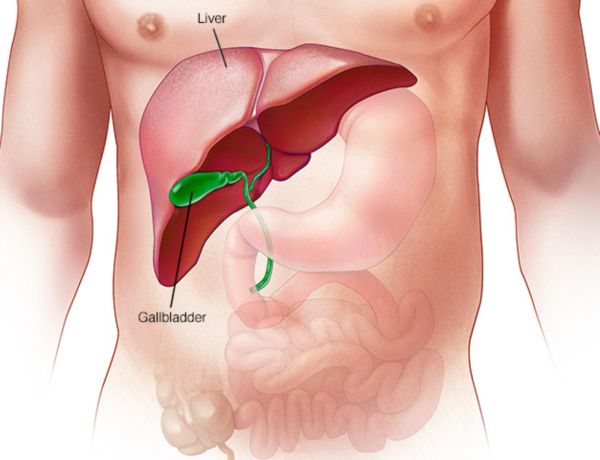
Detoxification (Cellular/Organs/Systemic)
Detoxification is a continuous, biologically essential process that occurs at the cellular, organ, and systemic levels to maintain optimal health and performance. At the cellular level, detox pathways within structures like the mitochondria and cytosol neutralize and eliminate metabolic waste and reactive byproducts that can impair energy production and accelerate aging. Organ systems—primarily the liver, kidneys, lungs, skin, and gastrointestinal tract—work in coordination to transform, filter, and excrete toxins through processes such as biotransformation, filtration, respiration, and perspiration. Systemically, efficient detoxification supports immune function, hormonal balance, neurological clarity, and recovery by preventing the accumulation of harmful compounds that can disrupt physiological processes. When these pathways are supported through proper nutrition, hydration, movement, and sleep, the body is better equipped to adapt, perform, and sustain long-term health.
Research-Based Lab Testing Recommendations To Provide To Physicians
In today’s healthcare environment, time has become one of the scarcest resources within the typical physician’s office. Many physicians are responsible for seeing upward of 30–40 patients per day, often averaging 15–16 minutes or less per appointment. Under these constraints, it can be difficult to thoroughly review a patient’s complete health history, lifestyle factors, movement limitations, performance concerns, laboratory findings, or long-term goals in meaningful depth. While physicians play a critical role in diagnosis and medical management, the realities of modern clinical practice often limit the amount of time available for extensive education, preventative strategies, and individualized performance and lifestyle guidance.
As part of a comprehensive and collaborative approach, I help bridge this gap by providing athletes with research-informed recommendations regarding potential diagnostic screenings, laboratory assessments, and health evaluations to discuss with their physicians and healthcare providers. These recommendations are intended to support more informed conversations and a broader understanding of the factors that may be influencing performance, recovery, energy, resilience, and overall health. Working alongside qualified healthcare professionals, this team-oriented model helps athletes take a more proactive and individualized approach to both athletic performance and long-term wellbeing.

Stress Management
Effective stress management is a cornerstone of athletic performance and overall wellness, as chronic stress can impair recovery, disrupt sleep, reduce focus, and increase injury risk. Tools such as controlled breathing techniques (e.g., diaphragmatic breathing or box breathing), mindfulness and meditation, structured recovery protocols, journaling, and proper time management help regulate the nervous system—shifting the body from a constant sympathetic “fight or flight” state into a parasympathetic “rest and recover” mode. For athletes, this translates to improved decision-making, emotional control under pressure, and more efficient energy utilization during training and competition. Beyond sport, consistent stress management supports hormonal balance, immune function, and long-term mental health, making it essential not just for peak performance, but for sustainable health and longevity.